
What Is The Strength Of A Constant Air Inflatable Building?
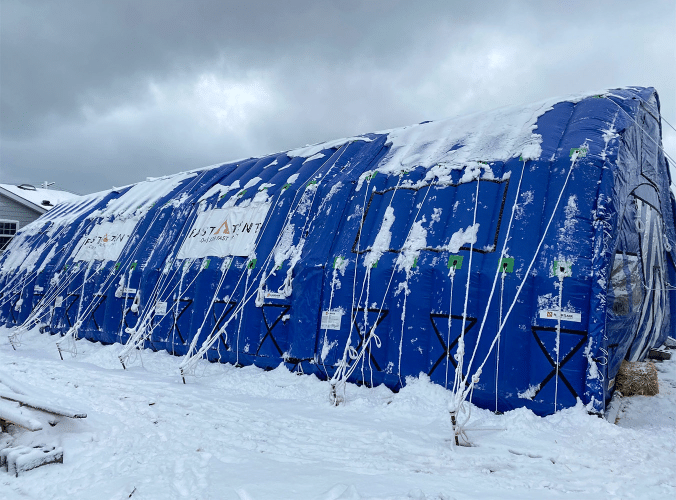
Inflatable buildings achieve structural stability by using internal air pressure to put tension into the envelope or skin of the building. This gives the structure a ‘pre-stress’ that enables it to resist applied forces. Constant air inflatable buildings rely on a continuous supply of air to maintain their shape and structural integrity. The internal air pressure helps support the structure and keep it inflated, even in the presence of external forces such as wind or snow loads.
Material Strength
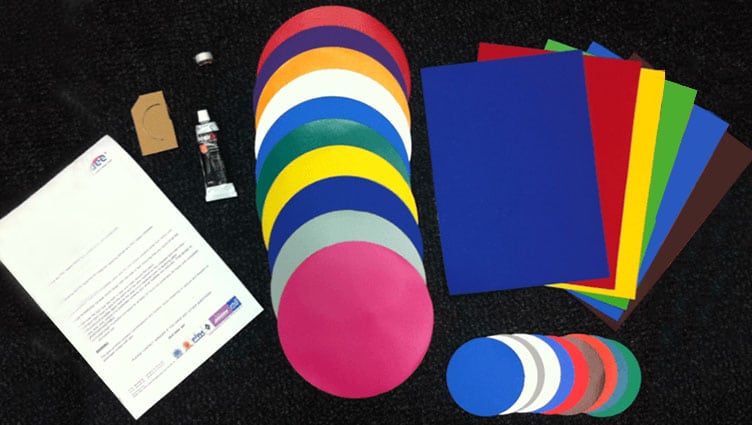
Materials are selected for their strength, tear resistance, and UV stability, ensuring that the constant air inflatable structure remains robust over time. All our inflatable buildings are manufactured from 630 or 1000 g/m² commercial grade PVC coated material, which is UV resistant and flame retardant.
Njordair buildings are supplied with a 5 year material defect warranty. If an inflatable, if it is hit with an object, it will flex and absorb the impact rather than snap or break. Once a constant air structure is inflated there is spare capacity in the inflation system (as very little air is required to maintain pressure). This means that in the unlikely event that a structure should be damaged or punctured, the blowers will compensate for the loss of air and maintain the operating pressure of the structure
Wind Load Strength
Anchored correctly, the enclosure is built for normal winter site conditions. Our operating guidance is to set up in winds below 20 mph, and to deflate it in place if gale-force winds are forecast. It reinflates in minutes once the wind drops.
Heavy duty metal ring ground anchor points take most of the wind load. Each anchor point is rated to 1,600 N (163 kg / 360 lb). For soft surfaces, 1m (3’) long & 40cm (15”) long anchor pegs are supplied as standard. If stakes / pegs cannot be used, (such as when installed on a hard standing), water filled ballast or concrete blocks must be used
In addition to the ground anchors, heavy duty webbing mid level anchor points, also rated to 1,600 N (163 kg / 360 lb), provide additional stability.
Snow Load Strength
As temporary structures, inflatable buildings do not carry specific snow load ratings. The peaked roof is designed to shed snow.
Internal air fill points mean that if the tent is heated, warm air can circulate throughout the roof and walls to further prevent accumulation of snow and ice.
In heavy snowfall, keep snow clear from around the base and the fan. For sites with heavy snowfall, talk to our team before ordering.
Inflatable Building Strength – Summary
Overall, when properly designed, manufactured, and maintained, inflatable buildings are very strong and capable of providing rugged shelter and protection in various environments. However, it’s essential to follow our recommended guidelines for installation and usage to ensure the optimal performance and longevity